01
Egocentric data collection
Capture human task activity from the participant’s point of view
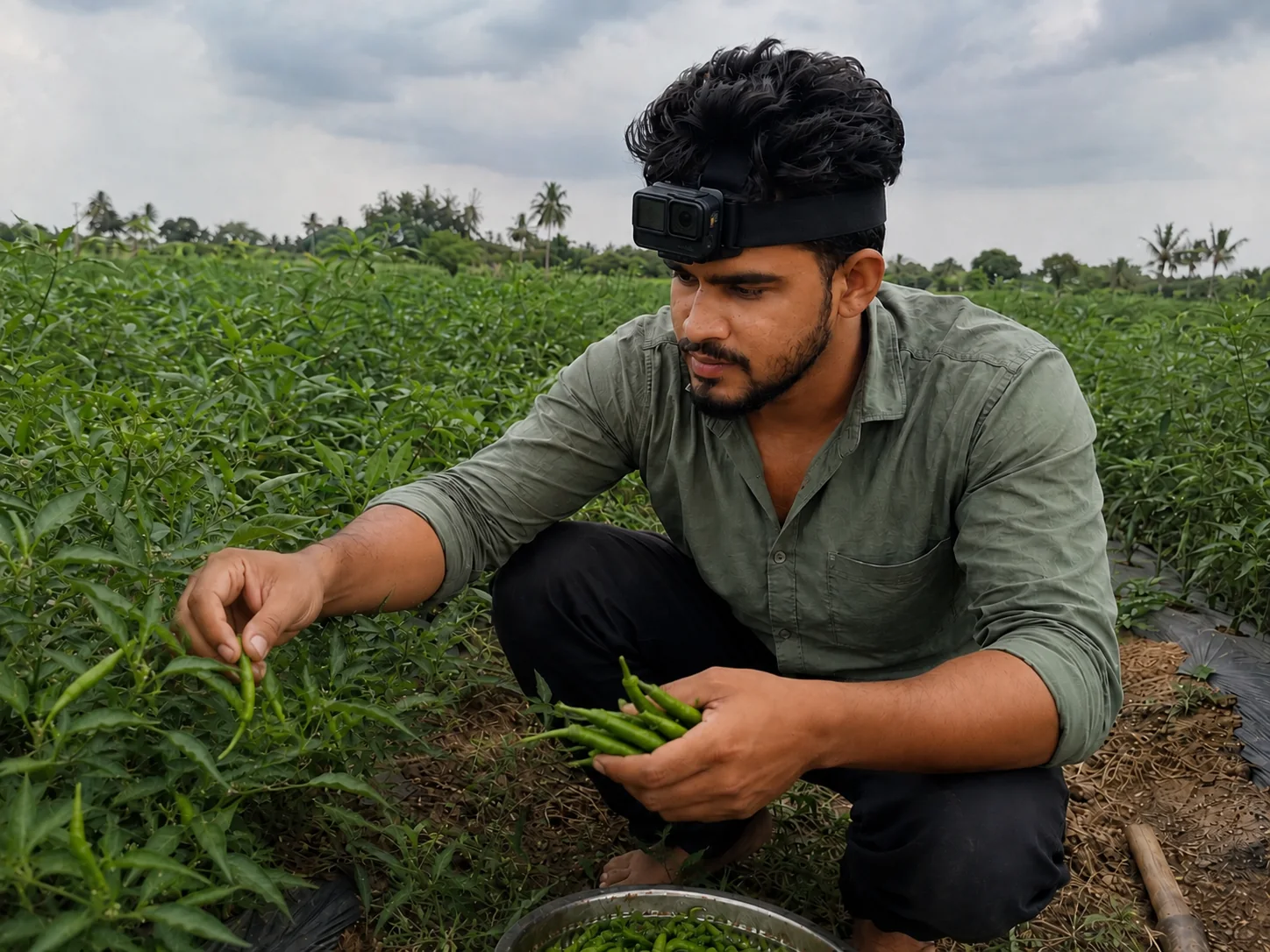
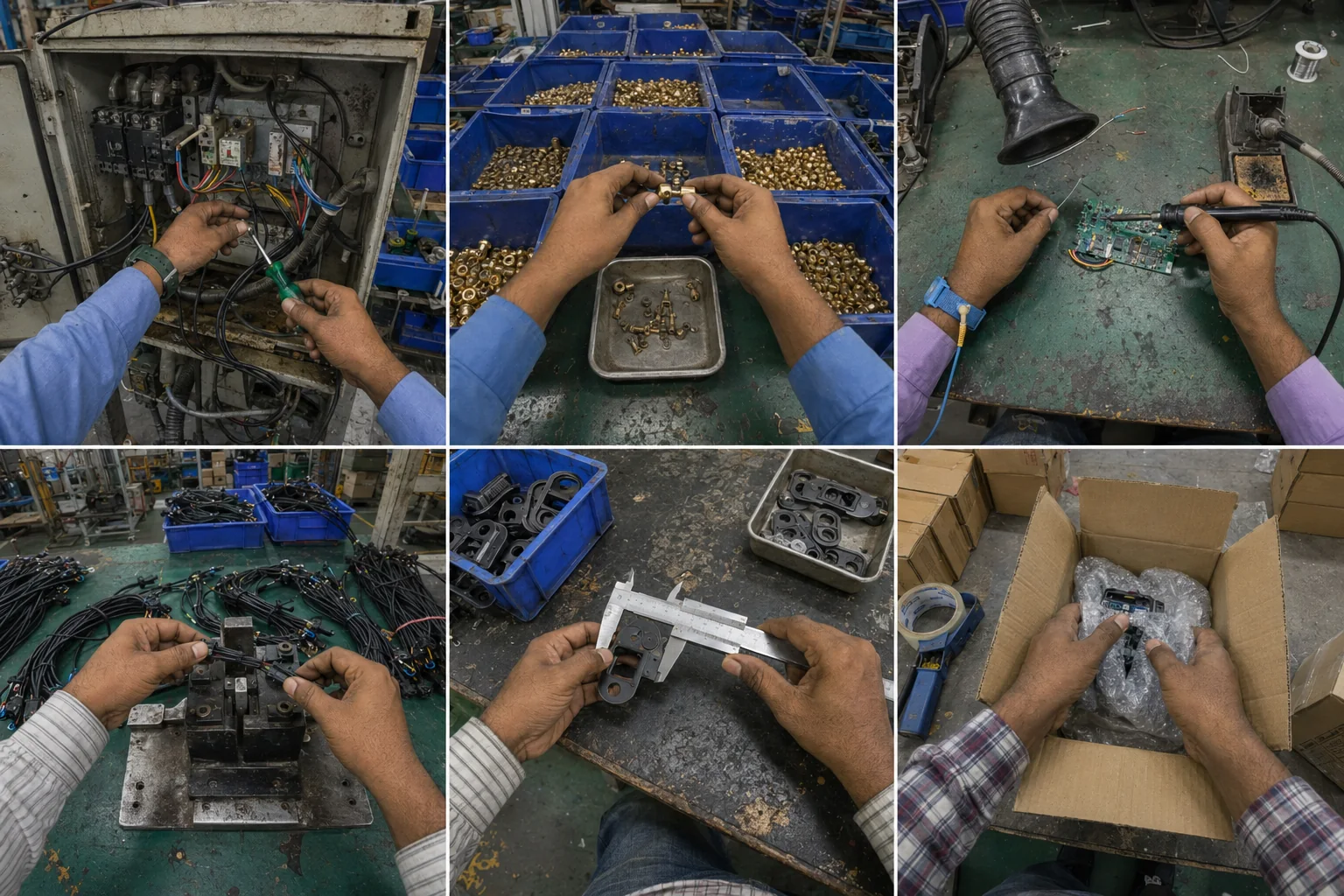
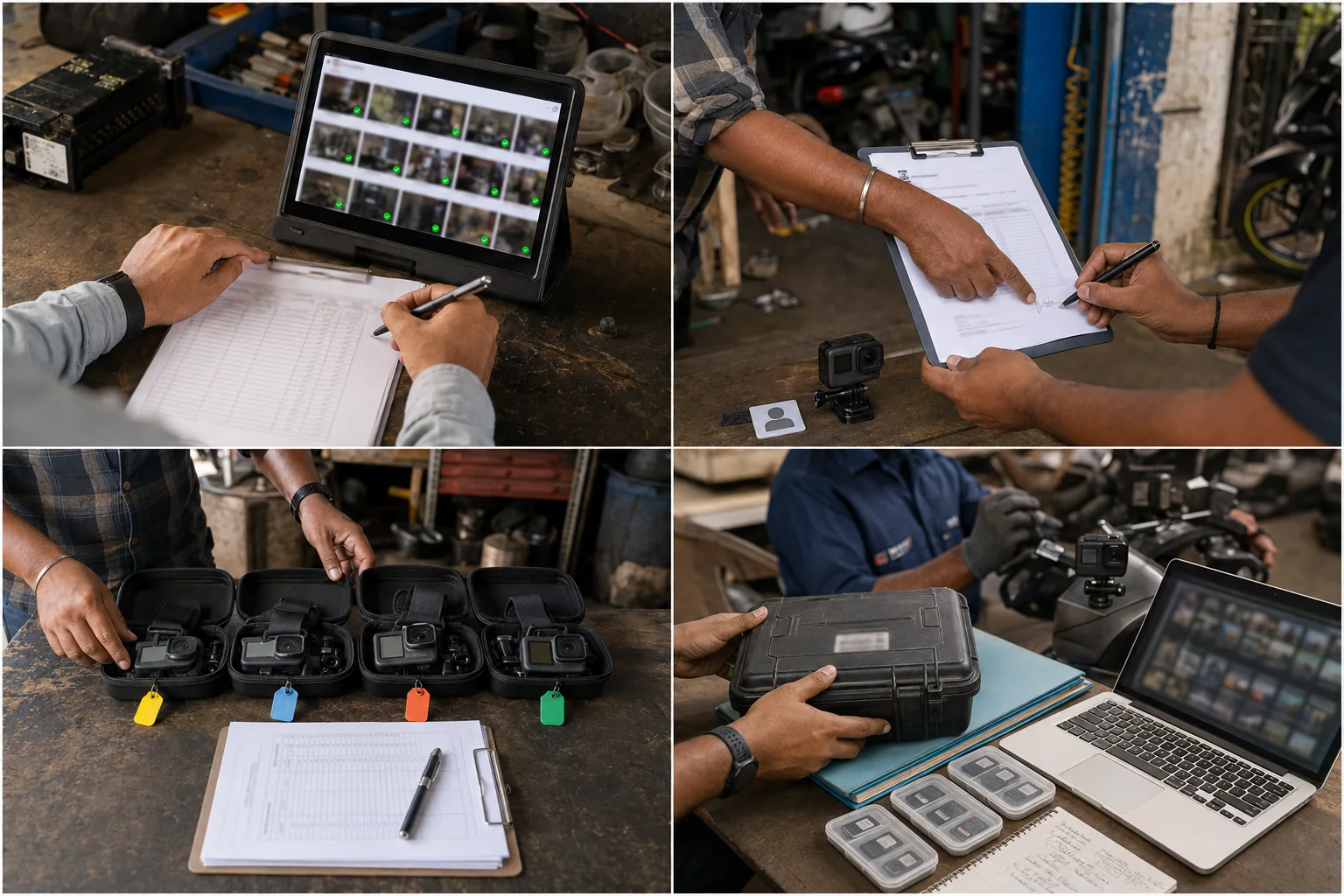
Wearable or head-mounted cameras record hands, tools, objects, and task sequences from a first-person perspective. Projects can cover household activities, industrial work, agriculture, maintenance, assembly, and other approved environments.
First-person video
Wearable camera capture
Human activity data
Task sequence capture
Optional synchronized audio
Client-defined metadata
02
Exocentric & multi-camera collection
Add task context through controlled external-camera views
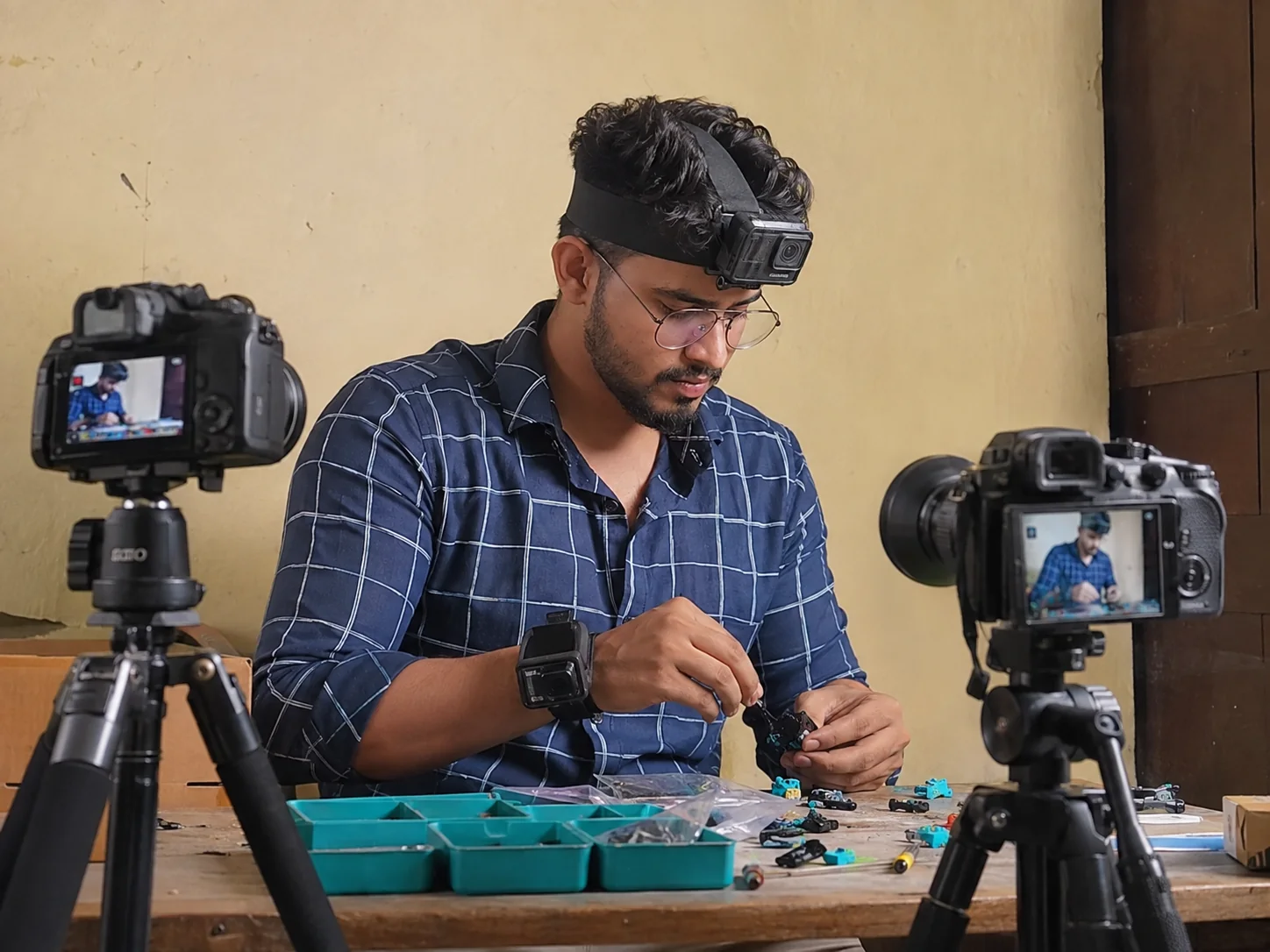
Fixed or tripod-mounted cameras provide third-person context around the participant. When synchronized with the wearable camera, they help clients review hand movement, body posture, environment, and task progression.
Fixed camera angles
Tripod-based capture
Multi-view task context
Wearable + external sync
Environment visibility
Capture protocol control
03
Video annotation & metadata
Turn raw recordings into structured, reviewable datasets
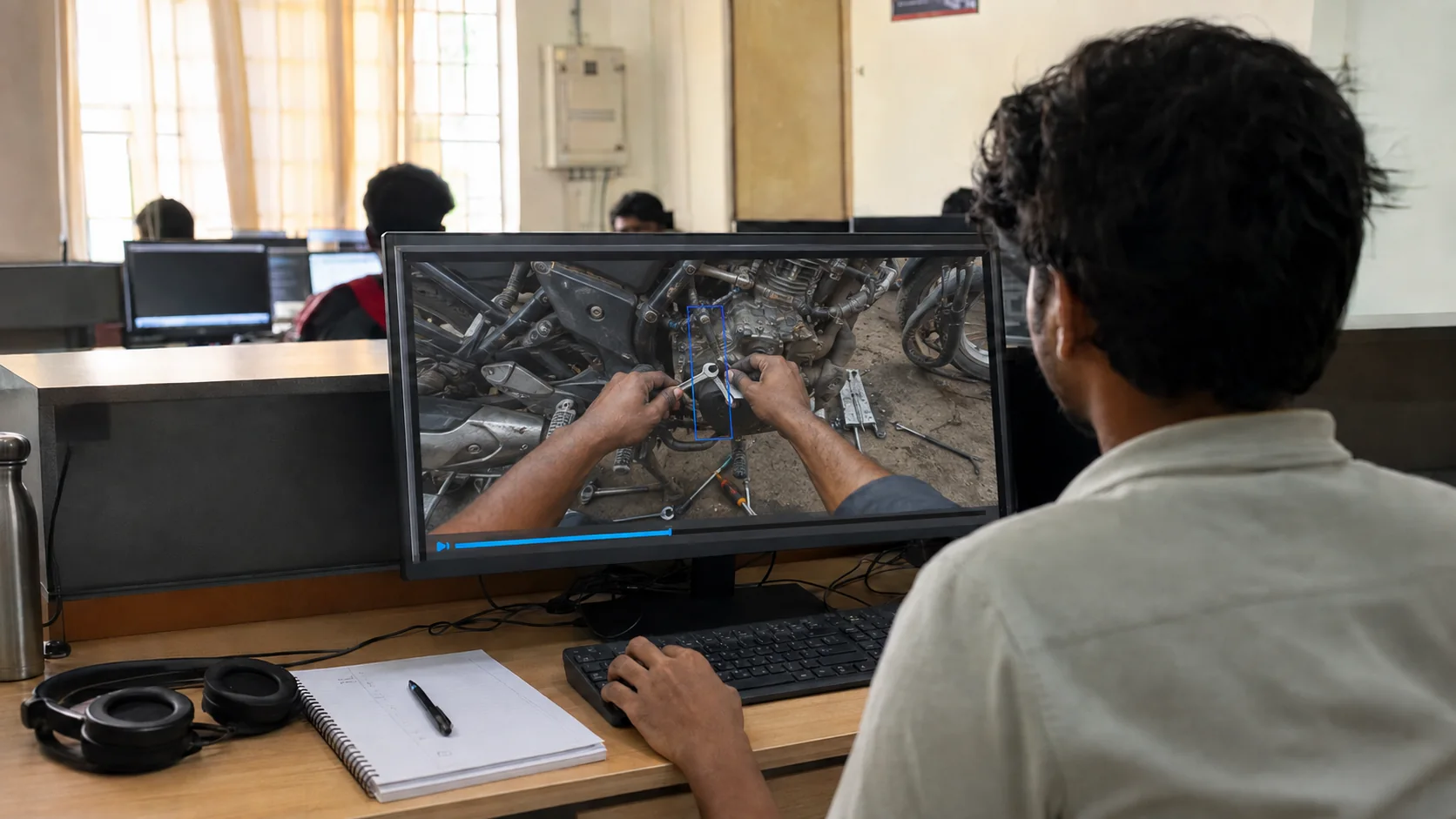
Annotation scope depends on the client schema. Support may include activity boundaries, event tags, timestamps, object references, task outcomes, file manifests, and structured metadata.
Task segmentation
Timestamping
Activity labels
Object references
Metadata schemas
Delivery manifests
04Robotics & embodied AI data
Structure human demonstrations for embodied AI workflows
Projects can combine task video, synchronized viewpoints, timestamps, sensor or device metadata, task labels, and delivery structures designed for perception, planning, and manipulation pipelines.
Human task demonstrationsSynchronized viewpointsTimestamp alignmentSensor-aware metadataTask and outcome labelsPipeline-ready packaging
05
Audio data collection
Speech and conversational audio for language and voice systems
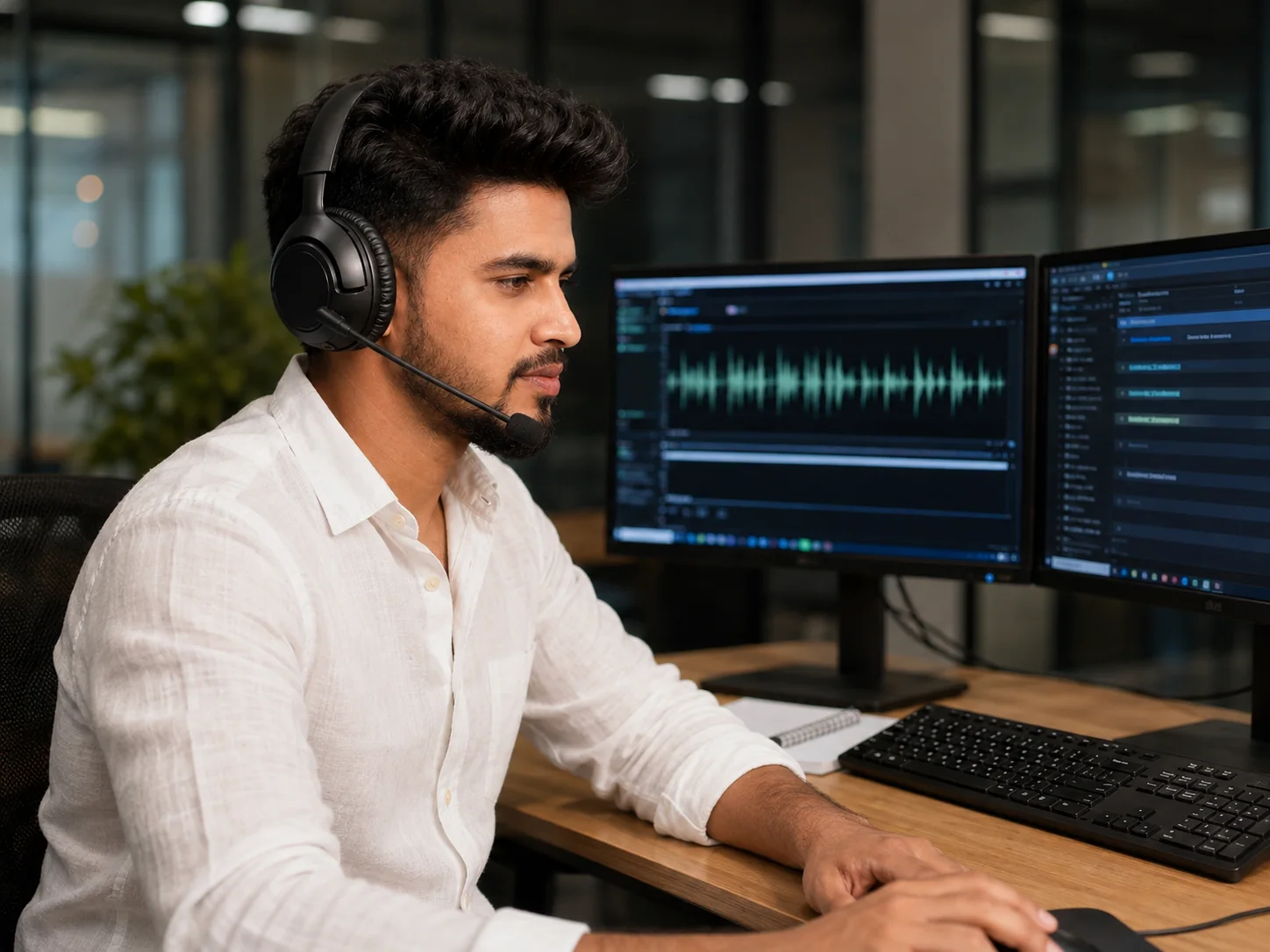
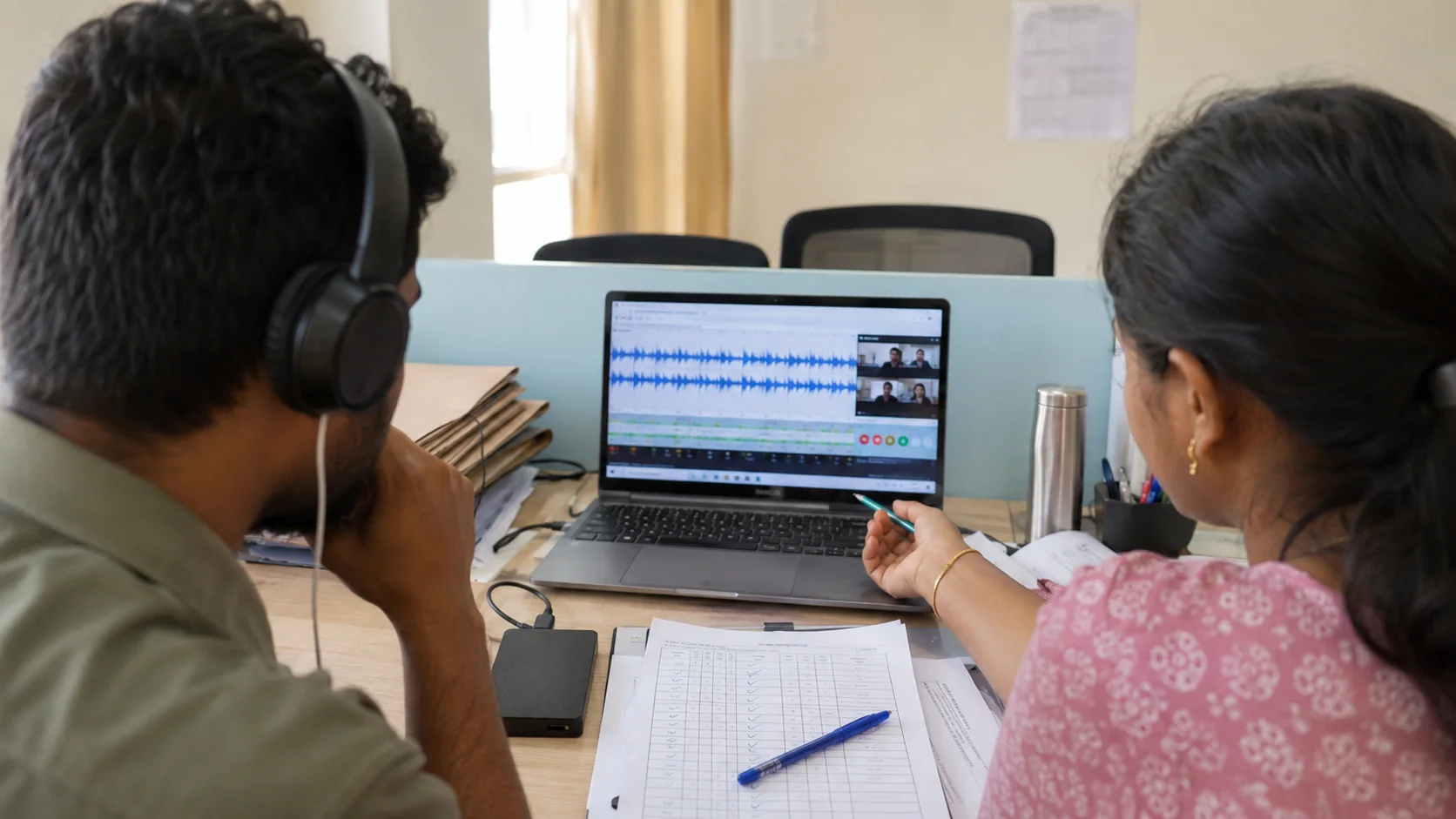
Audio programs can include headset recording, call-center style conversations, prompted speech, paired recording, multilingual collection, and audio review workflows.
Headset recording
Prompted speech
Conversation data
Call-center audio
Multilingual collection
Audio QA
06
Text, image & document data
Collect text and document data from approved real-world sources
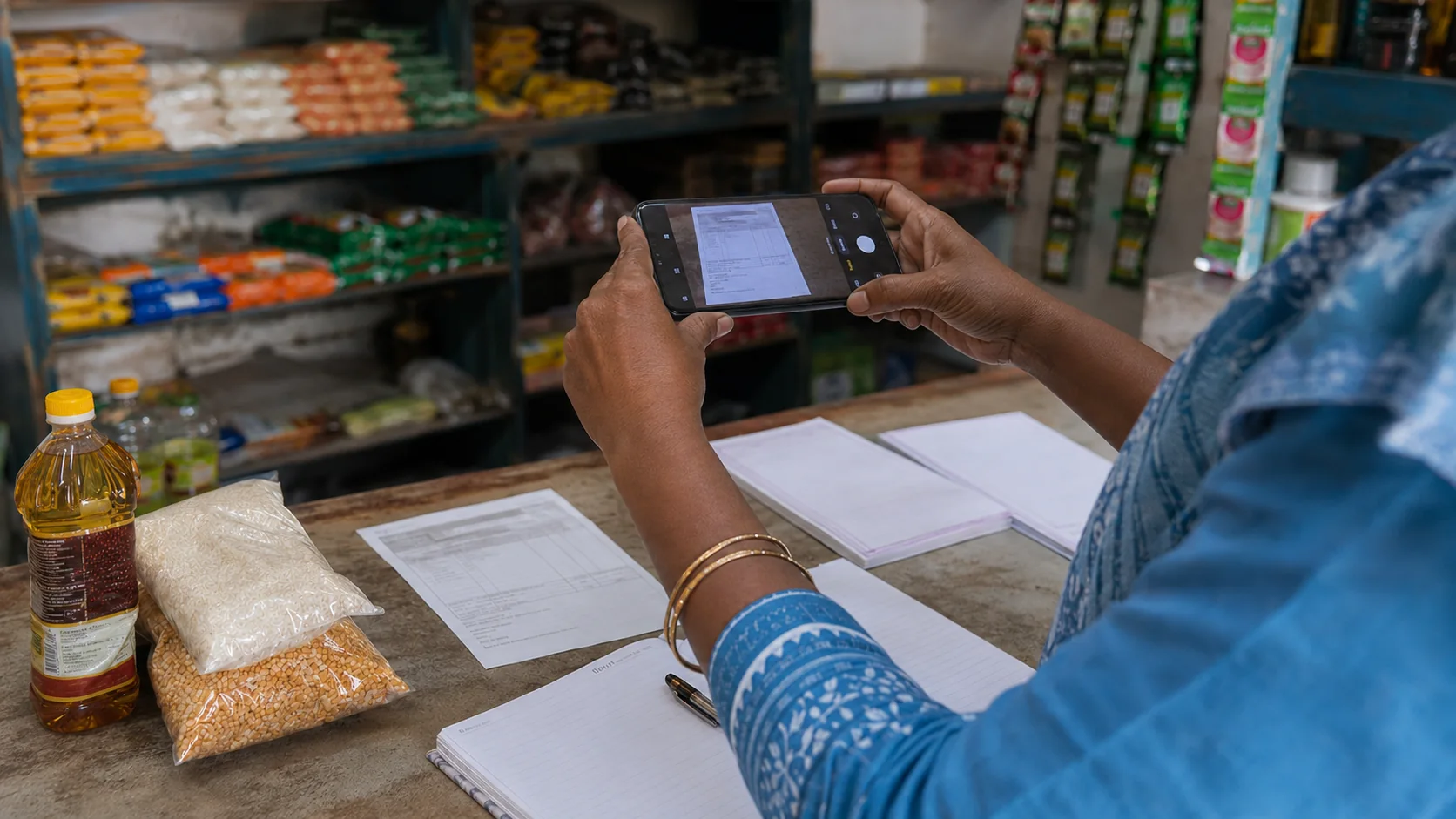
Projects may include handwritten or printed documents, scene text, forms, receipts, signs, product packaging, and other client-approved visual or textual data.
Printed documents
Handwritten samples
Scene text
Forms & receipts
Image metadata
Language coverage
07
OTS datasets & sample evaluation
Evaluate dataset suitability before procurement
Amsynk coordinates sample access, format checks, documentation review, metadata assessment, licensing questions, and technical feedback so the dataset can be evaluated against the intended use case.
Sample access
Technical format review
Metadata assessment
Documentation review
Licensing clarification
Evaluation handoff